Inset, Overlay, and Frameless Cabinets: Which Style is Right for Your Custom Cabinets?
Learn to know the differences as well as the pros and cons between the three main door styles for custom cabinets: inset, overlay, and frameless.

Been thinking of custom cabinets? If so, you’ll likely agree that the design options are nearly endless. And while the prospect of installing precise, handcrafted cabinetry is certainly exciting, there are plenty of decisions to be made.
One such choice—and something not many homeowners are aware of—is the door style of your cabinets. Believe it or not, this decision is fundamental to the look, cost, and functionality of your kitchen.
Therefore, this guide breaks down the differences between the three main door styles for custom cabinets: inset, overlay, and frameless. You’ll learn the pros and cons of each, as well as how to make the best decision for your custom cabinets.
What Are Inset Cabinets?
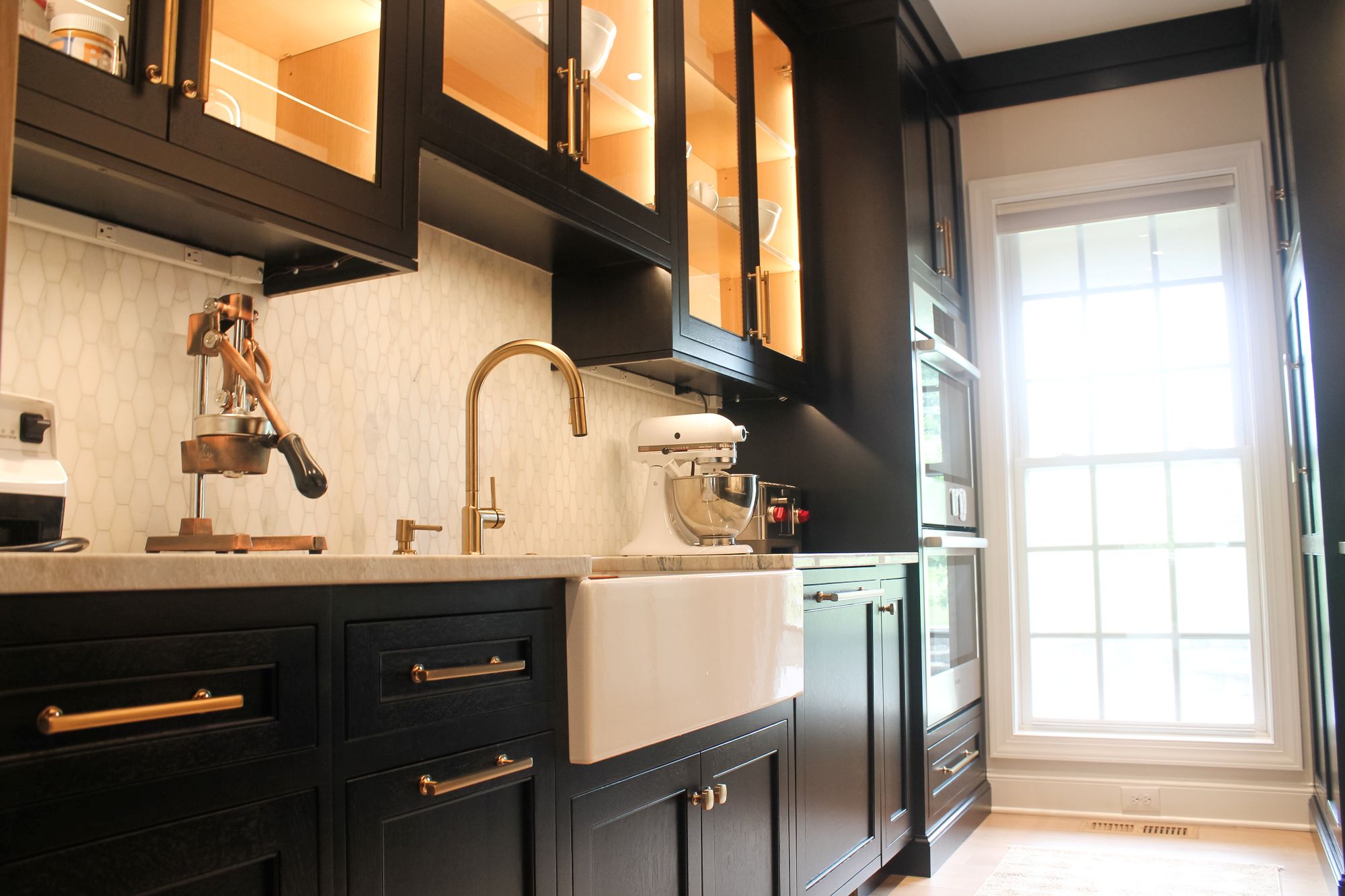
Inset cabinets feature doors and drawers that sit inside the cabinet frame. When closed, this creates a flat and flush cabinet face.
Since the doors must fit perfectly inside the frame, inset cabinets are often associated with elegance and traditional craftsmanship, making them a popular choice for homeowners working with a custom cabinet builder.
There are several advantages to these custom cabinet designs:
- A timeless, high-end appearance
- Clean shadow lines for a furniture-like feel
- Best style for decorative or hidden hinges
In short, inset cabinets epitomize supreme craftsmanship. However, they may not be right for every homeowner.
- Due to the precision required, Inset cabinets typically cost 15–30% more than overlay designs
- Doors sitting inside the frame mean slightly less storage space overall
Because of these practical limitations, inset cabinets are often the choice for homeowners seeking elegance and craftsmanship with their handmade kitchen cabinets.

What Are Overlay Cabinets?
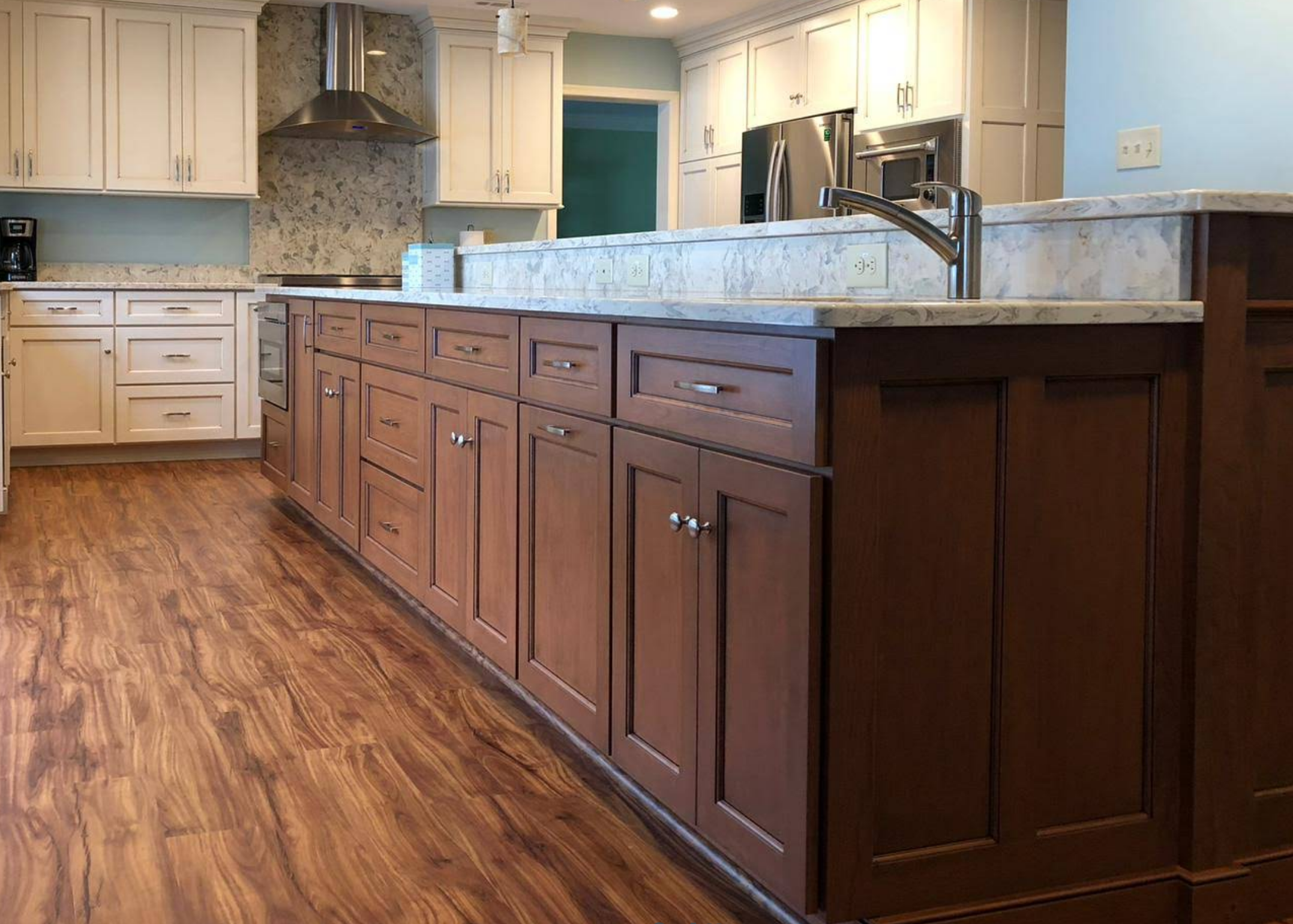
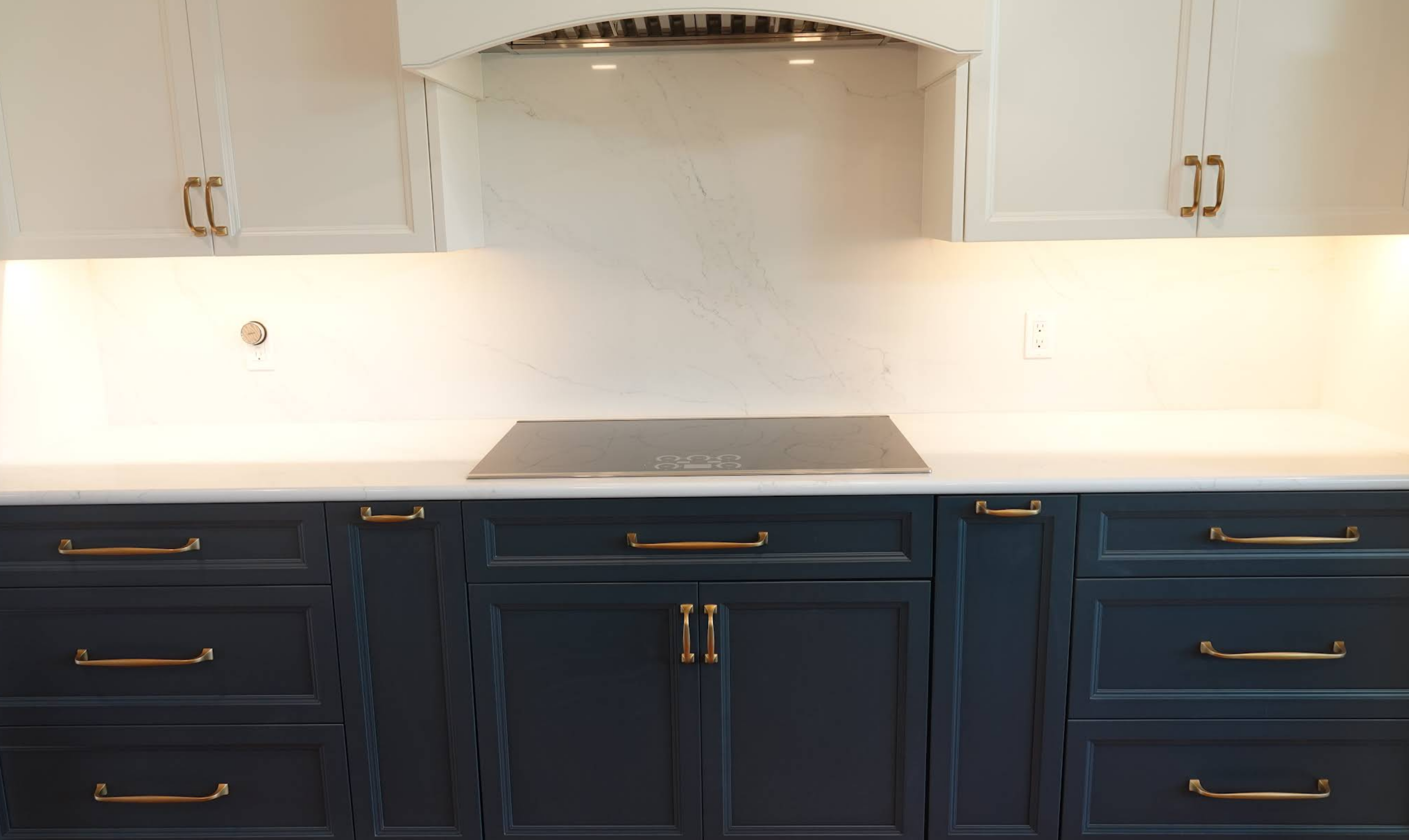
Whereas inset doors sit inside the frame, overlay cabinet doors overlay (cover) the cabinet frame.
Overlay doors are the most common cabinet style in American custom-built kitchens and come in two main options:
- Full overlay: Doors cover (almost) the entire frame for a cleaner look
- Partial overlay: Some frame remains visible between cabinet doors
Overlay cabinets are popular for good reason. This cabinet style offers the greatest balance between cost, style, and functionality.
Overlay cabinets:
- Are less expensive and easier to install
- Offer more interior storage space
- Offer style options for nearly every kitchen
For these reasons, homeowners comparing custom cabinets vs stock find overlay cabinets as the sweet spot. By working with a skilled craftsman, they still get the beauty, functionality, and durability of custom-designed cabinets, but without the additional costs of inset construction.
What Are Frameless Cabinets?
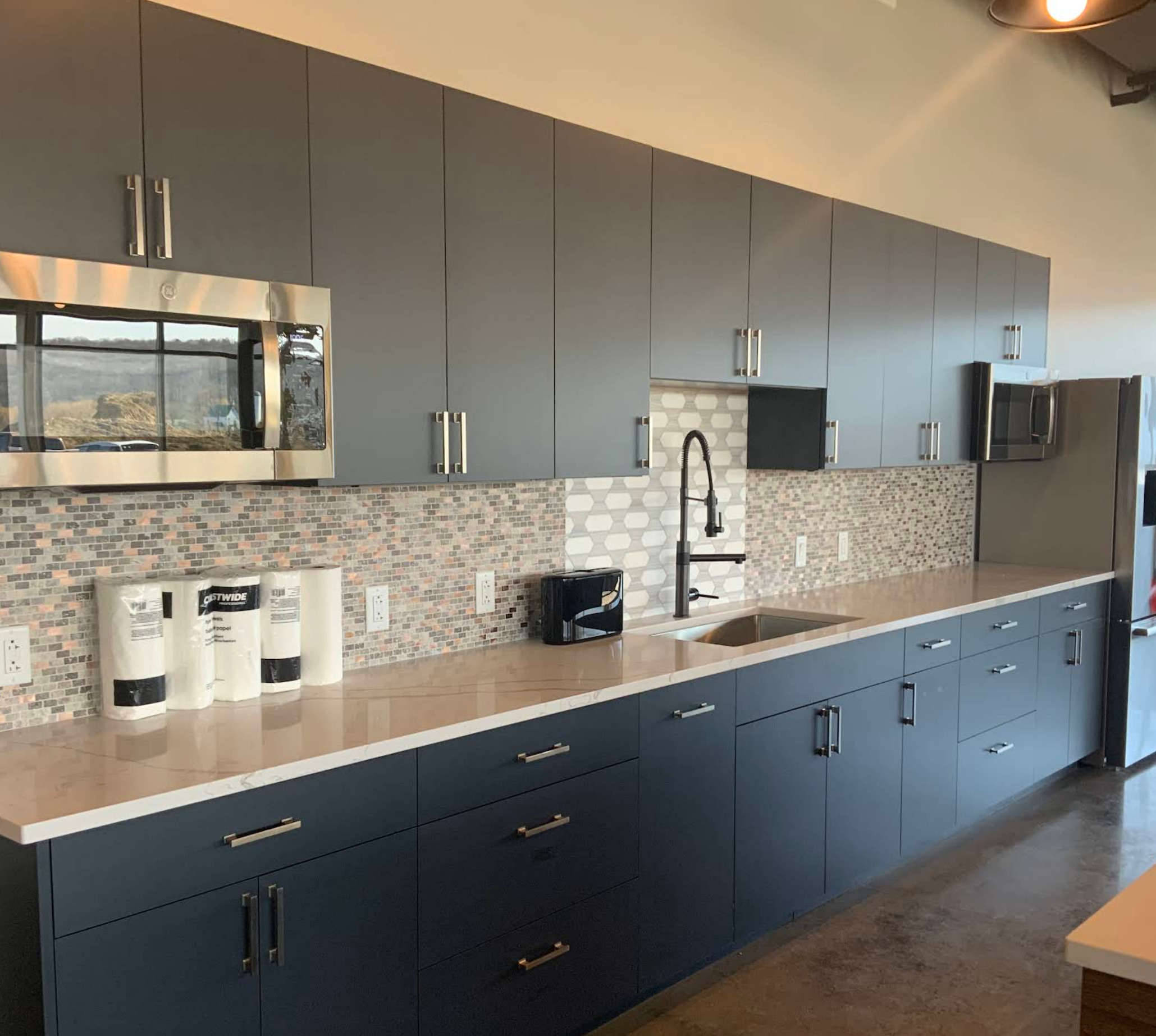
Frameless cabinets (sometimes referred to as European-style cabinets) have no face frame. The doors are attached directly to the cabinet box, creating a sleek, modern appearance.
Without a face frame, frameless cabinets allow for wider cabinet openings and slightly more storage space.
These designs are popular for contemporary kitchens due to their:
- Clean, minimalist lines
- Full-access storage
- Sleek, modern aesthetic
The only real downside to frameless cabinets is the cost. Without a frame, frameless cabinets rely on the strength of the box itself, requiring more precise construction and higher-quality materials—adding 15–20% more for your upfront investment.
Which Cabinet Style is Right for You?
The choice between inset, overlay, and frameless cabinets ultimately depends on your goals and values—and it’s often best to see (and feel) the difference between these cabinet styles (more info on that below).
In the meantime, here’s a brief guide to help with your decision:
Choose inset cabinets for…
- An exquisite furniture-style kitchen
- Visible high-end craftsmanship
- Traditional or historic design details
Choose overlay cabinets for…
- More storage space
- Optimal balance between cost and customization
- A versatile design that works for nearly any kitchen
Choose frameless for…
- A modern, minimalist aesthetic
- Maximum interior storage
- Full-access cabinet openings
With these bullets in mind, there’s just one final step…
Visit Our Showroom Closest to You!
The choice between inset, overlay, and frameless cabinets comes down to what feels right to you. With that in mind, we encourage you to come lay your hands on some of our handcrafted cabinetry at either of the following locations.
We look forward to learning which styles resonate the most with you, and can’t wait to talk about bringing your dream cabinets to life.
Visit Twin Valley Woodcrafts at:
Cabinet Showroom in Westtown Amish Market
1165 Wilmington Pike
West Chester, PA 19382
Cabinet Showroom in Bristol Amish Market
498 Green Ln
Bristol, PA 19007
Additional questions? Reach out for a complimentary consultation and estimate today.
After 30 years, the Twin Valley Woodcrafts family is still excited to serve Southeastern Pennsylvania and New Jersey homeowners with the perfect storage solutions. Whether you’re looking for custom-designed and handcrafted cabinets for your kitchen, bathroom, living areas, or more, our skilled craftsmen are ready to walk you through the design process and bring your dream cabinets to life.